


Exploring the Benefits and Uses of Sisal Fibre in Sustainable Living
Sisal fibre is gaining attention as a natural, eco-friendly material with a wide range of applications. Derived from the leaves of the Agave sisalana plant, this fibre offers strength, durability, and biodegradability, making it a valuable resource for sustainable living. This post explores the benefits of sisal fibre, its various uses, and how it contributes to a greener lifestyle.

What Is Sisal Fibre?
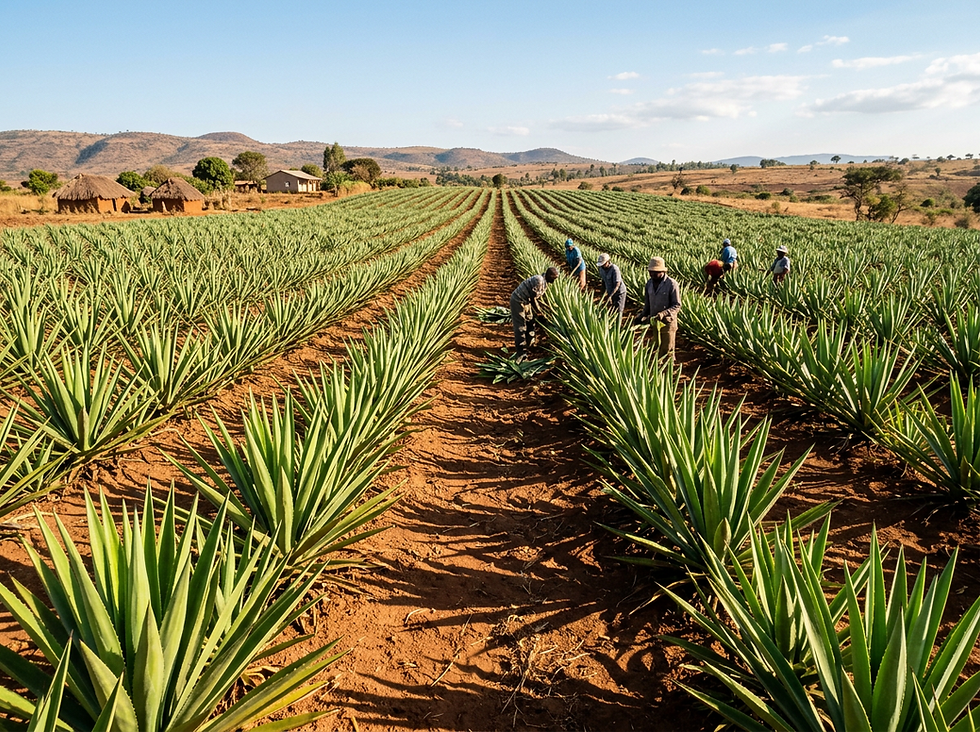
Sisal fibre comes from the long, sword-shaped leaves of the Agave sisalana plant, native to Mexico but now cultivated in many tropical and subtropical regions. The fibre is extracted through a process called decortication, where the leaf pulp is removed, leaving behind strong, coarse fibres.
These fibres are naturally stiff and have a creamy white to yellowish color. They are known for their resistance to moisture, wear, and stretching, which makes sisal a practical choice for many products.
Environmental Benefits of Sisal Fibre
Sisal fibre stands out as an environmentally friendly material for several reasons:
Renewable resource: The Agave sisalana plant grows quickly and requires minimal water and pesticides, making it a sustainable crop.
Biodegradable: Unlike synthetic fibres, sisal breaks down naturally without leaving harmful residues.
Low carbon footprint: Sisal cultivation and processing consume less energy compared to synthetic fibre production.
Soil improvement: Sisal plants help prevent soil erosion and improve soil quality by adding organic matter.
By choosing sisal products, consumers support sustainable agriculture and reduce reliance on plastics and other non-renewable materials.
Common Uses of Sisal Fibre
Sisal fibre’s strength and durability make it suitable for a variety of applications. Here are some of the most common uses:
1. Home Furnishings and Decor
Sisal is widely used in home products such as:
Rugs and carpets: Sisal rugs are popular for their natural look and durability. They provide a firm texture underfoot and are often used in high-traffic areas.
Wall coverings: Sisal wall coverings add texture and warmth to interiors while being eco-friendly.
Upholstery: Sisal fibres can be blended with other materials to create strong upholstery fabrics.
2. Agricultural and Industrial Products
Sisal’s toughness makes it ideal for:
Ropes and twine: Sisal ropes are strong, resistant to saltwater, and biodegradable, making them useful in marine and agricultural settings.
Bags and sacks: Sisal bags are used for transporting goods like coffee, grains, and potatoes.
Brushes and mats: The coarse fibres are perfect for making brushes, doormats, and floor mats.
3. Automotive and Construction Materials
Sisal is increasingly used in composite materials for:
Car interiors: Sisal fibres reinforce door panels, dashboards, and seat backs, reducing weight and improving sustainability.
Building materials: Sisal fibre is incorporated into cement and plaster to improve strength and crack resistance.
How Sisal Fibre Supports Sustainable Living
Sisal fibre aligns well with sustainable living principles by offering alternatives to synthetic materials that often harm the environment. Here’s how sisal contributes:
Reduces plastic use: Sisal products replace plastic-based items like synthetic ropes, mats, and packaging.
Promotes circular economy: Sisal’s biodegradability means products can return to the earth without pollution.
Supports rural economies: Sisal farming provides income for communities in developing countries, encouraging sustainable agriculture.
Encourages eco-conscious design: Designers and manufacturers use sisal to create products that are both functional and environmentally responsible.
Practical Tips for Using Sisal Fibre Products
If you want to incorporate sisal fibre into your home or lifestyle, consider these tips:
Choose natural finishes: Avoid sisal products treated with harsh chemicals to maintain eco-friendliness.
Care for sisal rugs: Vacuum regularly and clean spills immediately with mild soap and water to preserve texture.
Combine with other natural fibres: Pair sisal with cotton or wool for softer textiles.
Use sisal ropes for gardening: They are perfect for tying plants and biodegradable, so they won’t harm the soil.
Challenges and Considerations
While sisal fibre has many benefits, there are some challenges:
Coarse texture: Sisal can feel rough, which may not suit all applications.
Moisture sensitivity: Prolonged exposure to water can weaken sisal fibres, so avoid using sisal rugs in damp areas.
Limited color options: Natural sisal has a limited color range, though it can be dyed with eco-friendly methods.
Despite these limitations, sisal remains a versatile and sustainable material.
Future Trends in Sisal Fibre Use
Innovation continues to expand sisal’s role in sustainable products:
Biocomposites: Researchers develop sisal-based composites for automotive and construction industries to replace plastics and fiberglass.
Fashion: Designers explore sisal for eco-friendly bags, shoes, and accessories.
Home insulation: Sisal fibres are tested as natural insulation materials due to their thermal properties.
These trends show sisal’s potential to grow as a key material in green living.
Sisal fibre offers a natural, strong, and biodegradable option for many everyday products. Its environmental benefits and versatility make it a smart choice for anyone interested in sustainable living. By choosing sisal, you support renewable agriculture, reduce plastic waste, and enjoy durable, beautiful products that connect you to nature. Consider adding sisal items to your home or lifestyle and contribute to a healthier planet.


Comments