


Sisal Fibre Uses Benefits and Sustainable Applications
A strong product often starts with a simple material. Sisal is one of those materials. It comes from a tough plant, handles demanding use, and breaks down naturally when its job is done. That mix explains why manufacturers, farmers, makers, builders, and homeware producers keep returning to it.
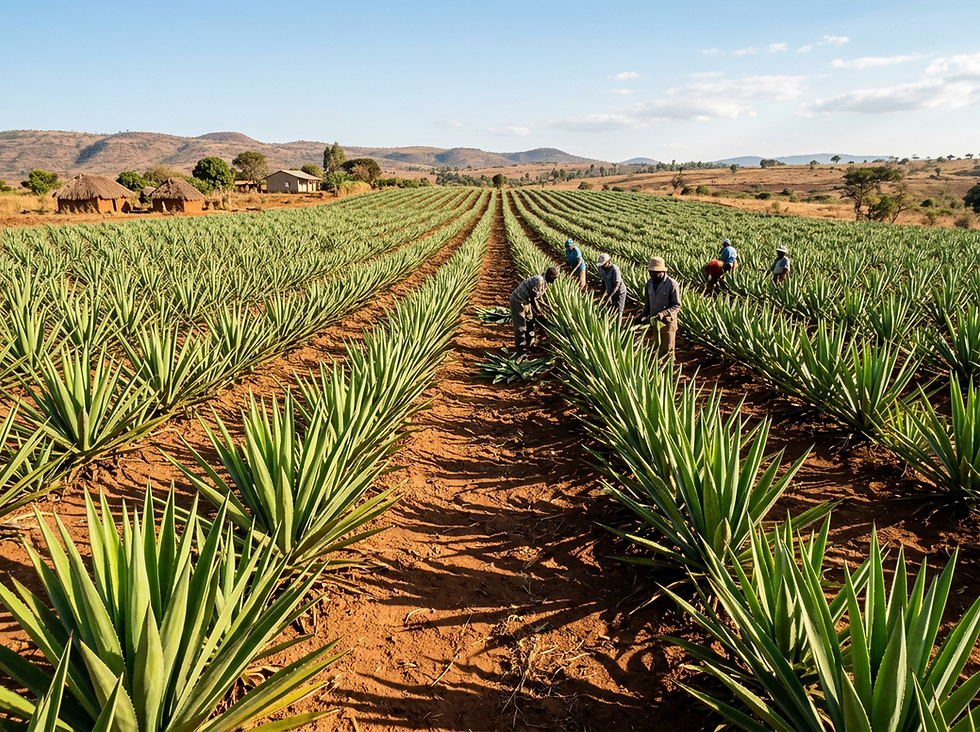
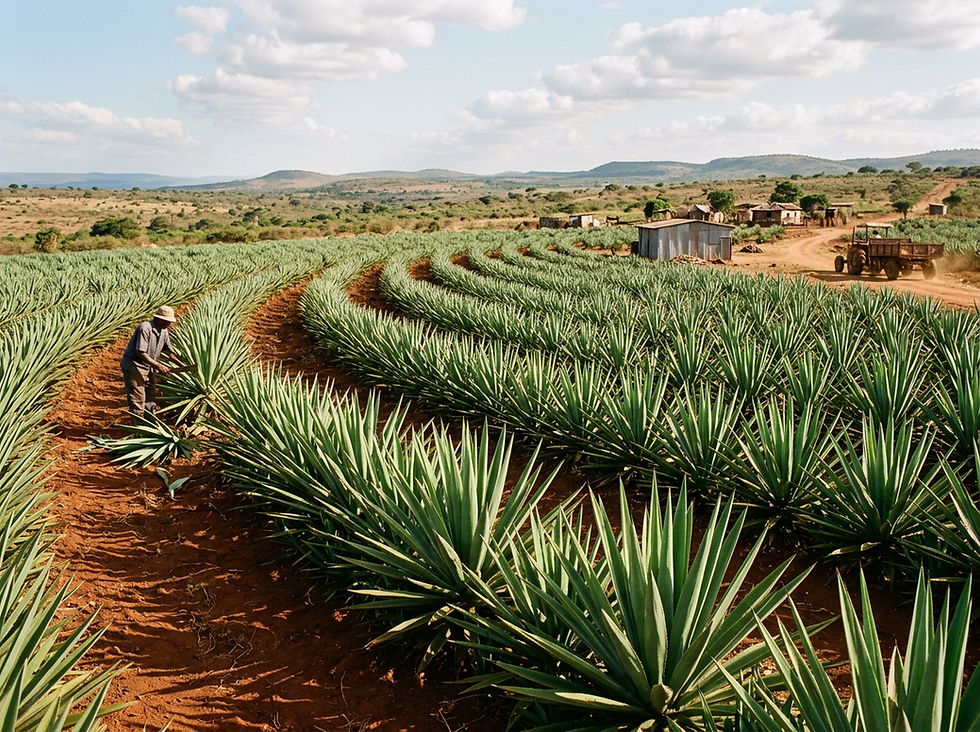
Sisal fibre is extracted from the long leaves of the sisal plant, a hardy crop that grows well in warm, dry regions. For generations, it has been used to make ropes, twines, mats, brushes, sacks, and crafts. Today, it is gaining fresh attention as more industries look for practical alternatives to fully synthetic materials.
Its value is not only about being natural. Sisal earns its place because it is strong, useful, adaptable, and widely understood in real production settings.

What makes sisal fibre special
Sisal stands out because it brings together qualities that are often hard to find in one material. It has natural strength, a coarse texture, good durability, and a plant-based origin.
The fibres are firm and able to withstand tension, which is why sisal has long been used for ropes and twines. It can take strain without losing its usefulness too quickly. This makes it suitable for products that need to be reliable in tough working conditions.
Another major advantage is that sisal is biodegradable. Unlike many plastics, it does not remain in the environment for long periods in the same way. When used in suitable applications, it can reduce dependence on synthetic materials that are harder to dispose of responsibly.
Sisal is also versatile. It can be spun, woven, twisted, brushed, blended, compressed, or formed into different products. The final use depends on how the fibre is processed and what performance the product needs.
Key qualities include:
High tensile strength for ropes, twines, and cordage
A firm natural texture for mats, brushes, and polishing products
Good grip, making it useful in floor coverings and handling materials
Biodegradability, which supports lower-impact product choices
Adaptability for both traditional and newer industrial uses
That balance of strength and natural origin is the main reason sisal remains relevant.
How sisal fibre is produced
The journey from plant to product begins with mature sisal leaves. The leaves are long, thick, and blade-like. Once harvested, they are processed to separate the valuable fibres from the fleshy plant material.
The main stages are usually:
Harvesting
Mature leaves are cut from the plant. Careful harvesting helps maintain fibre quality and supports continued plant growth where cultivation systems allow it.
Fibre extraction
The leaves are passed through equipment that crushes and scrapes away the soft tissue. This reveals the long fibres inside the leaf.
Cleaning
The fibre is washed to remove remaining plant matter. Clean fibre is easier to dry, grade, and prepare for further use.
Drying
The fibre is dried, often in the sun where conditions are suitable. Proper drying helps prevent staining, odour, and quality loss.
Grading and sorting
Fibres are sorted by length, colour, cleanliness, and strength. Better sorting creates more consistent raw material for manufacturers.
Baling or preparation
The fibre is packed, spun, twisted, or processed further depending on the final product.
Each step affects the final quality. Poor drying can reduce appearance. Poor cleaning can make the fibre less suitable for fine products. Weak sorting can cause uneven performance in ropes, mats, and woven goods.
That is why sisal processing is more than a basic farm activity. It is a value-adding chain that connects agriculture to manufacturing.

Common uses of sisal fibre
The range of sisal fibre uses is wide because the material can be treated in different ways. Some products rely on its strength. Others rely on its texture, look, or natural character.
Sector | Common products | Why sisal works well |
Agriculture | Twine, baler twine, plant ties, sacks | Strong, natural, practical in field conditions |
Packaging | Bags, wrapping materials, protective fibre products | Durable and biodegradable |
Home products | Rugs, carpets, mats, baskets, wall décor | Natural texture and attractive appearance |
Construction | Fibre reinforcement in some boards, panels, and composites | Adds strength and reduces reliance on synthetic fibre |
Industry | Ropes, cordage, brushes, buffing wheels | Tough, coarse, and reliable |
Crafts | Woven items, baskets, décor pieces, handmade accessories | Flexible enough for skilled handwork |
Agriculture
Agriculture is one of the oldest and most practical areas for sisal. Farmers and suppliers use sisal-based twine and tying materials for plants, bales, and general handling.
Because sisal is plant-based, it fits well in farming activities where natural materials are preferred. It is also strong enough for many daily tasks, from tying produce to supporting climbing plants.
In Kenya and other parts of East Africa, sisal has a familiar place in rural production. It suits dry conditions better than many crops, and it can contribute to local value chains when processing and product development are done well.
Packaging
Sisal can be used in sacks, bags, wrapping, and protective packaging. Its coarse fibres bring strength, while its natural origin appeals to producers looking to reduce plastic use in selected packaging roles.
It is not a direct replacement for every synthetic packaging material. For products that need waterproofing, airtight sealing, or high barrier protection, other materials may still be needed. But in breathable, reusable, or heavy-duty packaging, sisal can perform well.
Home products and interiors
Sisal is popular in home products because it has a clean, earthy texture. Rugs, mats, baskets, wall hangings, and storage pieces made with sisal bring a natural look without feeling fragile.
Sisal rugs and mats are especially valued for their firm texture. They can work well in living areas, entryways, and spaces where a natural floor covering is preferred. Since the fibres are coarse, they may feel rough under bare feet compared with softer materials, so placement matters.
Construction and composites
Sisal can also be used in construction-related products, especially where natural fibres are added to boards, panels, cement-based products, or composite materials.
The idea is simple. Fibres can help add structure, reduce cracking in some mixtures, or improve the performance of a product when properly treated and designed. Sisal’s strength makes it a candidate for these uses.
The final performance depends on processing, fibre treatment, binding material, and product design. A well-made natural fibre composite can be useful, but it must be tested for the conditions it will face, including moisture, load, and long-term wear.

Benefits of sisal for sustainable products
Sisal supports more sustainable product design in several practical ways. It is renewable, biodegradable, and useful in long-lasting goods. Those qualities do not make every sisal product automatically sustainable, but they give producers a strong starting point.
It comes from a renewable plant source
Sisal is harvested from a plant, not made from fossil-based raw materials. The plant produces leaves that can be processed into fibre. In suitable growing areas, this can support rural employment and add value to agricultural land.
A renewable source matters because material choice affects the whole product cycle. When a useful material can be grown again, it gives manufacturers more options beyond synthetic inputs.
It breaks down naturally
Biodegradability is one of sisal’s clearest advantages. When sisal products reach the end of their life, they are more likely to decompose under suitable conditions than fully synthetic alternatives.
That matters for items like twine, mats, sacks, and packaging, especially where small pieces may be hard to recover. Natural breakdown helps reduce long-term environmental persistence.
It can reduce plastic use in selected products
Sisal can replace or reduce synthetic fibre in some applications. It may be used in rope, packaging, agricultural ties, brush fibres, and household goods where plastic is not essential.
This does not mean plastic has no role. Some uses require water resistance, special hygiene standards, or very specific strength properties. The best approach is to use sisal where it performs well, not to force it into applications where it will fail.
It supports durable goods
A sustainable product should not only be natural. It should also last long enough to justify the materials, labour, and energy used to make it. Sisal’s strength helps here.
A well-made sisal mat, rope, or basket can provide long service when used in the right conditions. That durability reduces waste and gives buyers better value.
Limits to understand before choosing sisal
Sisal is useful, but it is not perfect. Good material choice starts with clear expectations.
Sisal can absorb moisture. This may affect appearance, odour, strength, or lifespan if the product stays wet for long periods. Outdoor use is possible in some cases, but the product may need treatment, good drying conditions, or regular replacement.
The fibre is also coarse. That texture is helpful in ropes, mats, brushes, and rustic décor. It may be less suitable for soft clothing or products that touch sensitive skin.
Colour can vary too. Natural sisal may range from creamy white to pale yellow or light brown, depending on processing and drying. For handmade and natural products, that variation can be part of the appeal. For strict design matching, it needs careful grading or dyeing.
Before using sisal, producers should ask:
Will the product be exposed to moisture?
Does the user need softness or firmness?
Is natural colour variation acceptable?
Does the application need treatment for pests, mould, or weather?
What strength level is required for safe use?
These questions help match the fibre to the right product.
How sisal compares with synthetic fibres
Synthetic fibres can offer high consistency, moisture resistance, and specialised performance. Sisal offers natural origin, biodegradability, and a distinct texture.
The better choice depends on the product.
Sisal works well when
Biodegradability matters, natural texture is desired, the product benefits from grip and firmness, and the application does not require long-term wet exposure.
Synthetic fibre may work better when
The product needs high water resistance, exact uniformity, very soft touch, or specialised performance under controlled technical standards.
For many businesses, the future is not about replacing every synthetic material with sisal. It is about choosing sisal in places where it makes technical and environmental sense.
That is where Sisal Fibre Uses Benefits and Sustainable Applications becomes a practical topic, not just a sustainability idea. The fibre has real strengths, real limits, and real opportunities.

What to look for in quality sisal fibre
Quality affects performance. Strong raw fibre leads to better products, while poorly handled fibre can break, stain, or look uneven.
Good sisal fibre should generally have:
Clean strands with minimal plant residue
Proper dryness without mouldy smell
Good length for the intended product
Consistent colour within the required grade
Limited dirt, dust, and foreign material
Enough strength for twisting, weaving, or binding
For ropes and twines, strength and consistency matter most. For décor, colour and finish may be more important. For packaging, the key concerns may be durability, availability, and cost.
Suppliers, makers, and manufacturers get better results when they define the intended use before selecting fibre. A fibre grade that works for a rustic basket may not be ideal for industrial cordage.
Why sisal still matters
Sisal has survived because it is useful. It does not need to be presented as a miracle material. Its strength lies in being practical, familiar, and adaptable.
It connects farming to manufacturing. It supports handmade and industrial products. It offers a natural option in markets that are trying to reduce waste and make better material choices.
The best use of sisal comes from respecting both sides of the material. It is strong, biodegradable, and versatile. It is also coarse, moisture-sensitive, and dependent on good processing.
When matched to the right product, sisal proves that sustainable materials do not have to be complicated. Sometimes, the answer is a tough fibre from a tough plant, processed well and used with care.

Comments