


Processed Sisal Fibre Benefits Uses and Applications Explained
A tough leaf from a dryland plant can become rope, twine, mats, brushes, building boards, geotextiles, and even composite parts. That is the practical value of sisal. While it looks simple at first, processed sisal fibre is a carefully prepared natural material with a useful mix of strength, grip, flexibility, and biodegradability.
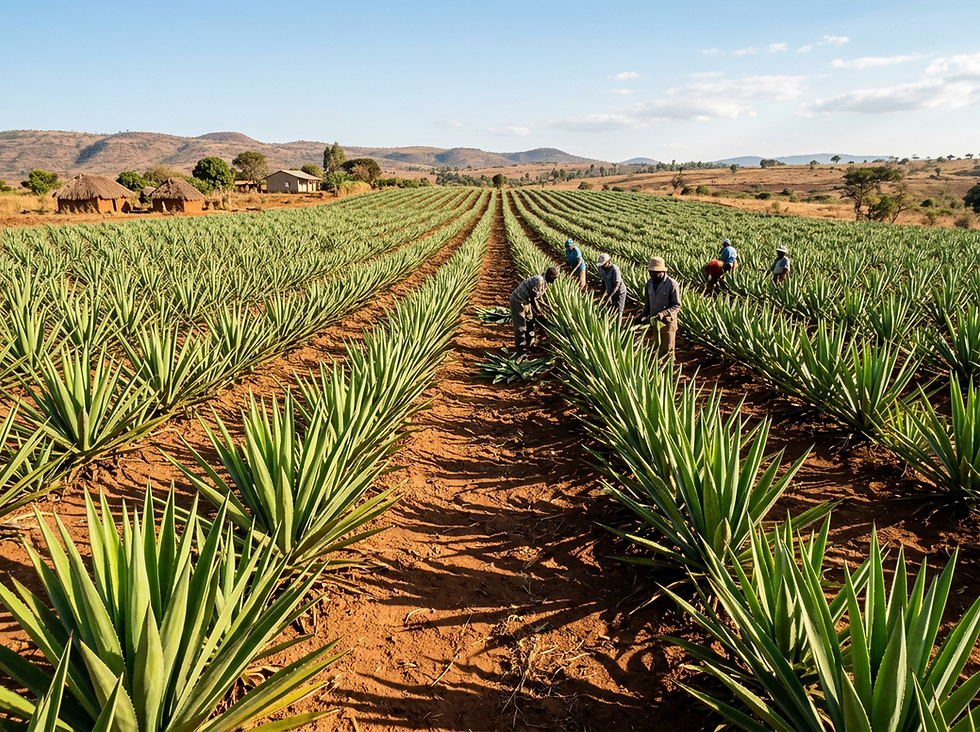
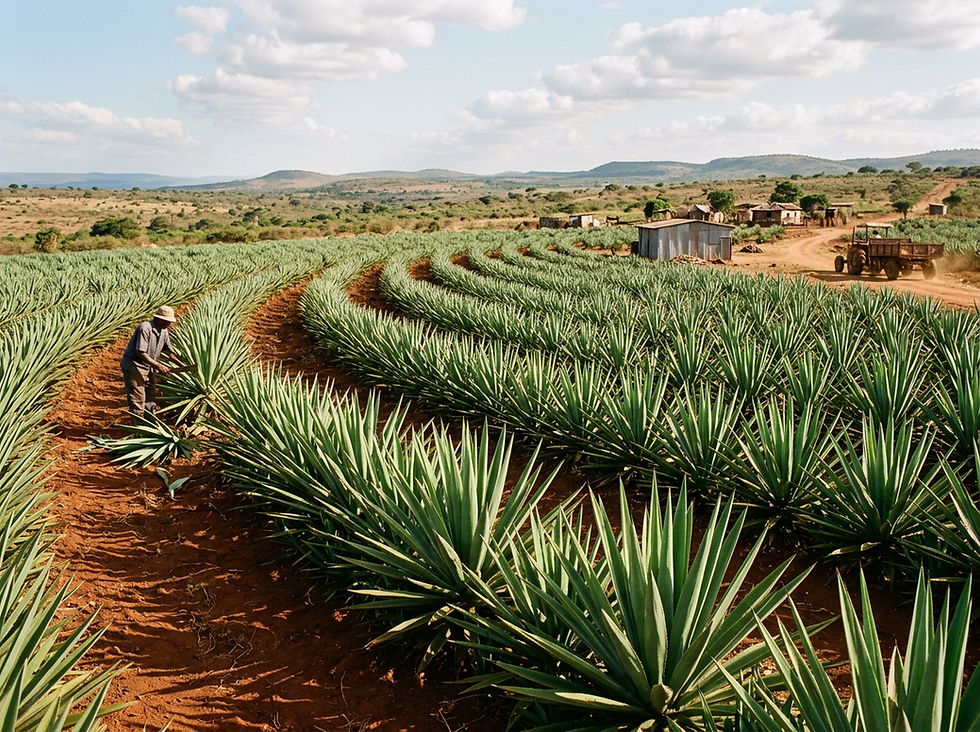
Sisal comes from the long leaves of the Agave sisalana plant. The plant thrives in warm, dry regions, including parts of Kenya and wider East Africa. Once harvested and processed, its fibres can serve many industries that need firm, long-lasting, plant-based material.
This guide explains what processed sisal fibre is, how it is made, what makes it useful, and where it fits in agriculture, construction, manufacturing, and everyday products.

What processed sisal fibre means
Processed sisal fibre is the cleaned, dried, sorted, and prepared fibre extracted from sisal leaves. The term “processed” matters because raw sisal leaves are not ready for direct industrial use. The valuable part is hidden inside the fleshy leaf tissue.
After extraction, the fibre goes through several steps to remove plant pulp, reduce moisture, improve cleanliness, and grade the strands. Some fibre may then be brushed, baled, spun, twisted, dyed, softened, treated, or blended with other materials, depending on its final use.
The result is a natural fibre that can be supplied in several forms, including:
Loose fibre for further manufacturing
Twisted yarn or twine
Rope and cordage
Woven mats and carpets
Fibre pads or sheets
Reinforcement material for composite products
Geotextile rolls for soil protection
Good processing improves fibre quality. Clean, properly dried sisal is easier to spin, less prone to mould during storage, and more consistent in strength.
How sisal fibre is produced
The production process can vary by farm, processor, and end market. Still, the main stages are broadly similar.
The leaves are harvested at the right maturity
Sisal plants produce long, sword-shaped leaves. Farmers harvest mature leaves because they contain stronger and longer fibres than young leaves. Cutting too early can lower yield and quality.
Harvesting is often done by hand using sharp tools. Workers remove selected leaves while allowing the plant to keep growing. This helps maintain steady production over time.
The fibres are extracted from the leaf
The main extraction step is called decortication. In this process, the fleshy part of the leaf is crushed and scraped away, leaving the long fibres behind.
Decortication may use simple mechanical equipment or larger factory machines. The goal is to remove as much pulp as possible without damaging the fibre. Clean extraction produces long strands with good tensile strength.
The fibre is washed and dried
After extraction, fibre usually contains sap, pulp residue, and moisture. Washing helps remove impurities. Drying then lowers the moisture content so the fibre can be stored and transported safely.
Sun drying is common in sisal-producing areas because it is low-cost and uses available heat. The fibre is spread out in thin layers or hung on racks. Even drying is important. Fibre that stays damp can stain, weaken, or develop mould.
The dry fibre is brushed and graded
Once dry, sisal fibre is brushed or combed to separate strands, remove loose dirt, and improve appearance. Grading follows. Fibre may be sorted by length, colour, cleanliness, strength, and uniformity.
Higher-grade fibre is often preferred for spinning, textiles, export-quality twine, and visible products such as rugs. Lower grades can still be useful in padding, boards, erosion control, and industrial mixes.
The fibre is converted into usable products
The final processing step depends on the product. Fibre can be spun into yarn, twisted into rope, woven into mats, pressed into boards, chopped for composites, or blended with resins, cement, plaster, rubber, or other fibres.
This is where sisal moves from farm material to industrial input.

Key characteristics of processed sisal fibre
Sisal has remained useful for so long because it brings several practical qualities together in one fibre.
It has high tensile strength
Sisal is known for its ability to handle pulling force. This makes it suitable for ropes, baler twine, sacks, nets, and reinforcement uses. It does not match every synthetic fibre in every condition, but for many applications it offers a strong, dependable natural option.
It is firm and slightly coarse
The fibre has a rougher feel than softer plant fibres such as cotton. That coarse texture has advantages. It gives sisal grip, body, and abrasion resistance. This is why sisal works well in doormats, scratching posts, brushes, floor coverings, and ropes that need a secure hold.
It accepts spinning, twisting, and weaving
Processed sisal can be converted into yarn, cord, rope, fabric, matting, or mesh. This gives manufacturers many product options. The same basic fibre can become agricultural twine, decorative baskets, wall coverings, or reinforcement layers.
It performs well in dry conditions
Sisal is durable in many dry-use settings. It suits indoor products, packaging, binding, and construction uses where moisture exposure is controlled. Like many natural fibres, it can absorb water, so outdoor or wet applications may need treatment, blending, or careful design.
It is biodegradable and renewable
Sisal comes from a plant crop, not petroleum. At the end of its useful life, untreated sisal can break down under suitable natural conditions. This makes it attractive where buyers want to reduce reliance on plastic-based materials.
It has useful stiffness
Sisal is not as limp as many textile fibres. Its stiffness helps products keep shape. For example, a sisal mat can scrape mud from shoes, a brush can hold firm bristles, and a composite board can gain extra structure from fibre reinforcement.
Major uses of processed sisal fibre
Processed sisal fibre has moved beyond the old image of rope alone. Rope remains important, but modern applications now cover farming, building, transport, packaging, home goods, and industrial materials.
Sisal in agriculture
Agriculture is one of the natural homes for sisal. The fibre is strong, grippy, and plant-based, which makes it practical on farms.
Common agricultural uses include:
Baler twine for hay and straw
Binder twine for crops and garden plants
Seedling ties and plant supports
Nursery ropes and trellis support
Compostable erosion-control mesh
Mulch mats for soil cover
Sisal twine is valued because it holds firmly and can be handled easily. In horticulture, it can support climbing crops, young trees, and nursery plants. Since it is biodegradable when untreated, it can reduce plastic waste in some short-life farm uses.
Sisal-based geotextiles also help in soil conservation. They can hold soil in place on slopes, road edges, riverbanks, and newly planted areas. As vegetation grows, the fibre gradually breaks down and adds organic matter to the soil.
Sisal in construction
Construction uses are growing as builders and material researchers look for lower-impact fibres. Sisal can help reinforce certain building products, especially where light weight, stiffness, and natural content are useful.
Practical construction applications include:
Fibre-reinforced cement boards
Plaster reinforcement
Ceiling panels
Insulation mats
Acoustic panels
Soil stabilisation fabrics
Decorative wall coverings
When mixed into cement, gypsum, clay, or resin systems, sisal fibres can help control cracking and improve toughness. The exact performance depends on fibre length, treatment, moisture control, and the binder used.
For interiors, woven sisal products can add texture to walls and floors. Sisal carpets and rugs are often chosen for their firm surface and natural appearance. They work best in dry indoor spaces, such as living rooms, corridors, lodges, shops, and hospitality spaces.
Sisal in manufacturing
Manufacturers use sisal because it can be converted into many forms. It is also available as a natural alternative in products where stiffness and strength matter.
Examples include:
Rope, cord, and twine
Industrial polishing wheels
Brushes and brooms
Packaging materials
Pet scratching posts
Upholstery padding
Fibreboard
Composite panels
Automotive interior parts in some fibre blends
Handicrafts and woven goods
One useful area is natural fibre composites. Chopped or woven sisal can be combined with polymers or bio-based resins to create moulded parts. These materials may be used for panels, casings, trays, furniture components, and interior fittings.
Sisal also appears in traditional and small-scale manufacturing. Artisans can turn it into baskets, bags, placemats, lampshades, wall art, and home décor. With careful dyeing and finishing, sisal can produce attractive natural products for local and export markets.

Benefits of using sisal fibre
The value of sisal is not based on one feature. It comes from how its strength, durability, availability, and environmental profile work together.
Sisal is strong for a natural fibre
Strength is the reason sisal became so widely used in rope and twine. It handles pulling and tying well. For products that must hold weight, bind materials, or resist tearing, that strength gives it a clear advantage over weaker plant fibres.
The strength also supports industrial uses. In composites and boards, sisal can add reinforcement without adding much weight.
It lasts well in the right setting
Sisal is durable when used in suitable conditions. It resists wear in mats, brushes, ropes, and floor coverings. Its coarse surface can handle rubbing and scraping, which makes it useful in products that meet daily friction.
That said, sisal is still a natural fibre. Untreated sisal should not be seen as a perfect replacement for plastic in every wet or exposed setting. For outdoor or high-moisture use, it may require protective treatment, blending, or planned replacement.
It supports lower-waste product design
Untreated sisal can biodegrade. This gives it an advantage in short-life products such as agricultural ties, erosion-control nets, and some packaging. Instead of leaving long-lasting plastic fragments, sisal can return to the environment under suitable conditions.
This does not mean every sisal product is automatically low impact. Dyes, coatings, resins, transport, and processing all matter. Even so, sisal gives designers a strong plant-based starting point.
It grows in dry areas
Sisal plants tolerate dry conditions better than many fibre crops. This makes them useful in semi-arid regions where other crops may struggle. In Kenya and similar climates, sisal can fit into dryland farming and rural processing systems.
The plant’s hardiness can support fibre production without the water demands linked to some softer fibres. Local processing can also create work in growing, harvesting, drying, grading, transport, and product making.
It has a natural look and feel
Sisal has a warm, earthy appearance. That makes it popular in interiors and craft products. Rugs, wall hangings, baskets, and lampshades made from sisal can feel simple, textured, and grounded.
For buyers who want natural materials, sisal offers both appearance and function.
Practical examples of sisal fibre products
Sisal is easy to understand when seen through finished products. Here are common examples and where they fit.
Product | How sisal helps | Typical use |
Baler twine | Strong, grippy, and easy to knot | Binding hay and straw |
Rope | Good pulling strength and firm handling | Farms, shipping, workshops, crafts |
Doormats | Coarse texture scrapes dirt well | Entryways and verandas |
Rugs and carpets | Natural texture and stiffness | Dry indoor floors |
Scratching posts | Rough fibre surface holds up to clawing | Pet products |
Brushes | Stiff strands support firm bristles | Cleaning and polishing |
Geotextile mesh | Holds soil while plants establish | Slopes, roadside works, farms |
Fibre boards | Adds structure to panels | Construction and furniture components |
Baskets and bags | Can be dyed, woven, and shaped | Homeware and fashion accessories |
The best product choice depends on fibre grade. Long, clean, bright fibre suits visible and spun products. Shorter or lower-grade fibre may suit mats, boards, padding, and geotextiles.
Potential applications with room to grow
Sisal has strong traditional markets, but it also has room for new uses.
One growing area is natural fibre composites. Manufacturers can use sisal to reduce the amount of synthetic fibre in panels and moulded parts. This can suit furniture, packaging trays, interior fittings, and lightweight boards.
Another area is erosion control. As climate pressure affects soil and water systems, biodegradable materials can help protect exposed ground during restoration works. Sisal mats and meshes can support seedlings while reducing plastic residue.
Sisal may also find wider use in packaging. Twine, cushioning, woven sleeves, and fibre pads can serve brands that want simpler, plant-based materials. The packaging must still meet performance needs, especially for moisture, hygiene, and transport strength.
In interiors, sisal’s appeal is already clear. Designers use it in rugs, blinds, baskets, wall coverings, lampshades, and acoustic panels. Its texture pairs well with wood, stone, clay, and other natural finishes.

What to check when choosing sisal fibre
For buyers, producers, and product makers, fibre quality makes a major difference. A strong product starts with the right grade and preparation.
Look at these factors before choosing sisal:
Fibre length and uniformity
Cleanliness and amount of pulp residue
Moisture level and drying quality
Colour and staining
Strength and breakage rate
Presence of dust or foreign matter
Suitability for spinning, weaving, pressing, or blending
Need for treatment against moisture, pests, or mould
For farm twine, knot strength and consistency matter most. For carpets, appearance and texture matter more. For construction boards, fibre length, bonding, and moisture behaviour are key. Matching the fibre to the use prevents waste and poor performance.
Why sisal still matters
Processed sisal fibre stands out because it is simple, useful, and adaptable. It starts as a hardy plant leaf, then becomes a material that can tie crops, strengthen boards, shape homeware, protect soil, and replace some synthetic inputs.
Its main strengths are clear: good tensile strength, firm texture, durability in suitable conditions, and renewable plant origin. Those qualities explain why sisal remains relevant in agriculture, construction, manufacturing, and design.
The best results come from using sisal where its natural qualities fit the job. It is not a universal replacement for every modern material, but it is an excellent choice for many products that need strength, grip, texture, and lower environmental impact.
For farms, workshops, builders, and makers, sisal offers a practical lesson: a well-processed natural fibre can still compete in a world full of synthetic materials.

Comments