


Global Demand for Sisal Fiber Export: Why It Matters for Sustainable Development
Natural fibers are gaining attention worldwide as industries seek materials that combine strength, sustainability, and versatility. Among these, sisal fiber stands out for its unique qualities and growing global demand. Extracted from the leaves of the sisal plant, this fiber offers a renewable alternative to synthetic materials, supporting both economic growth and environmental goals.

Understanding Sisal Fiber and Its Origins
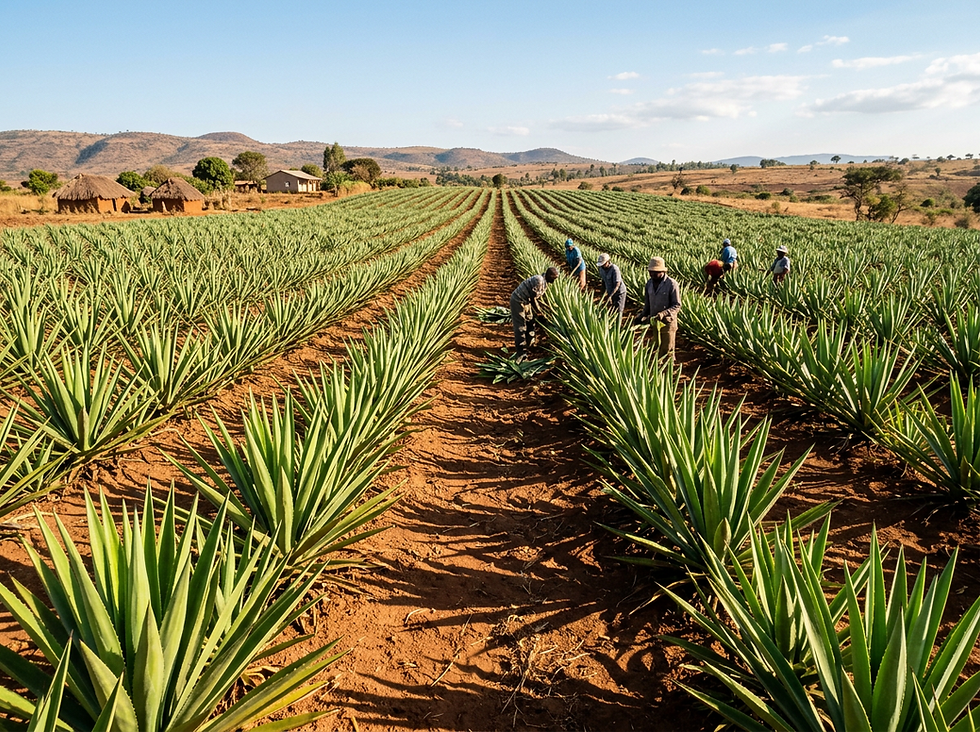
Sisal fiber comes from the long, sword-shaped leaves of the sisal plant (Agave sisalana). After harvesting, the leaves undergo a process called decortication, where the pulp is removed to extract the strong fibers inside. These fibers are then washed, dried, and sorted by quality before being prepared for shipment.
The sisal plant thrives in arid and semi-arid regions, making it a valuable crop in countries with limited water resources. Its ability to grow in poor soil conditions without heavy use of fertilizers or pesticides adds to its environmental appeal.
Diverse Uses of Sisal Fiber Across Industries
The strength and durability of sisal fiber make it suitable for a wide range of products. Its natural texture and resistance to wear have led to its use in:
Ropes and twines for shipping, agriculture, and construction
Mats and carpets that offer natural aesthetics and durability
Handcrafted baskets and bags popular in artisan markets
Agricultural baling twine that supports sustainable farming practices
Brushes and polishing materials used in various industries
Home décor items such as wall hangings and furniture accents
Pet scratching posts that are safe and long-lasting
Woven products combining traditional craftsmanship with modern design
This versatility allows sisal fiber to meet the needs of both traditional markets and innovative applications.
Why Sisal Fiber Matters for Sustainable Development
Sisal fiber offers several environmental and economic benefits that align with sustainable development goals:
Renewable Resource: Sisal plants regrow quickly after harvesting, providing a steady supply without deforestation.
Biodegradable Material: Unlike synthetic fibers, sisal decomposes naturally, reducing landfill waste.
Low Environmental Impact: Cultivation requires minimal chemical inputs and thrives in marginal lands.
Economic Opportunities: Sisal farming and processing create jobs in rural areas, supporting local communities.
Durability: Products made from sisal last longer, reducing the need for frequent replacements.
By choosing sisal fiber, manufacturers and consumers contribute to reducing reliance on plastics and synthetic fibers, which often have higher carbon footprints and pollution risks.
The Growing Global Market for Sisal Fiber Export
Demand for sisal fiber has increased steadily in recent years, driven by rising interest in eco-friendly materials. Key importers include countries in Europe, North America, and Asia, where industries seek sustainable alternatives for packaging, textiles, and home goods.
Exporters focus on maintaining high quality through careful processing steps:
Thorough cleaning to remove impurities
Controlled drying to preserve fiber strength
Grading to meet specific industry standards
Packaging that protects fibers during transport
Reliable supply chains and transparent sourcing practices help build trust with international buyers.
Challenges and Opportunities in Sisal Fiber Trade
While sisal fiber has many advantages, exporters face challenges such as:
Competition from synthetic fibers with lower upfront costs
Fluctuations in global demand and pricing
Need for investment in modern processing facilities to improve efficiency
Addressing these challenges requires collaboration between farmers, processors, and exporters to improve quality and market access.
At the same time, opportunities arise from growing consumer awareness about sustainability and increasing regulations on plastic use. Sisal fiber fits well into circular economy models where natural materials are preferred.
Case Study: Sisal Fiber Supporting Rural Livelihoods
In countries like Tanzania and Brazil, sisal farming has become a vital source of income for rural communities. Smallholder farmers cultivate sisal on family plots, and local cooperatives handle processing and export.
This model helps:
Reduce poverty by providing steady employment
Preserve traditional knowledge and craftsmanship
Promote sustainable land use practices
International buyers who source sisal fiber responsibly contribute to these positive social outcomes.
How Businesses Can Benefit from Sisal Fiber
Manufacturers looking to incorporate sustainable materials can gain several advantages by using sisal fiber:
Access to a natural fiber with proven strength and durability
Ability to market products as eco-friendly and biodegradable
Support for ethical supply chains that empower rural producers
Differentiation in competitive markets focused on sustainability
Switching to sisal fiber also aligns with corporate social responsibility goals and helps meet consumer demand for greener products.
Final Thoughts on Sisal Fiber Export and Sustainability
The global demand for sisal fiber reflects a broader shift toward sustainable materials that balance performance with environmental care. Exporting high-quality sisal fiber supports economic development in producing regions while offering manufacturers a reliable, natural resource.
As industries continue to seek alternatives to synthetic fibers, sisal fiber stands out as a practical, eco-friendly choice. Investing in improved processing, quality control, and transparent trade practices will help unlock its full potential on the world stage.
For businesses and consumers alike, embracing sisal fiber means contributing to a more sustainable future—one strong fiber at a time.


Comments