


Sisal Fibre Guide Sustainable Uses Origin and Eco Friendly Benefits
Some materials feel honest the moment you touch them. Sisal is one of them. It is firm, textured, slightly rough, and built for work. Long before plastic rope and synthetic mats became common, sisal fibre was being twisted, woven, and braided into everyday tools that could handle sun, dust, water, and heavy use.
Today, sisal is getting fresh attention for a simple reason: people are looking again at natural materials that last. From farms and workshops to interior design and eco-conscious packaging, sisal offers a rare mix of strength, usefulness, and environmental appeal.
This guide explores where sisal comes from, how it is made, what makes it durable, and why it is becoming a serious alternative to synthetic fibres.

Sisal starts with a hardy agave plant
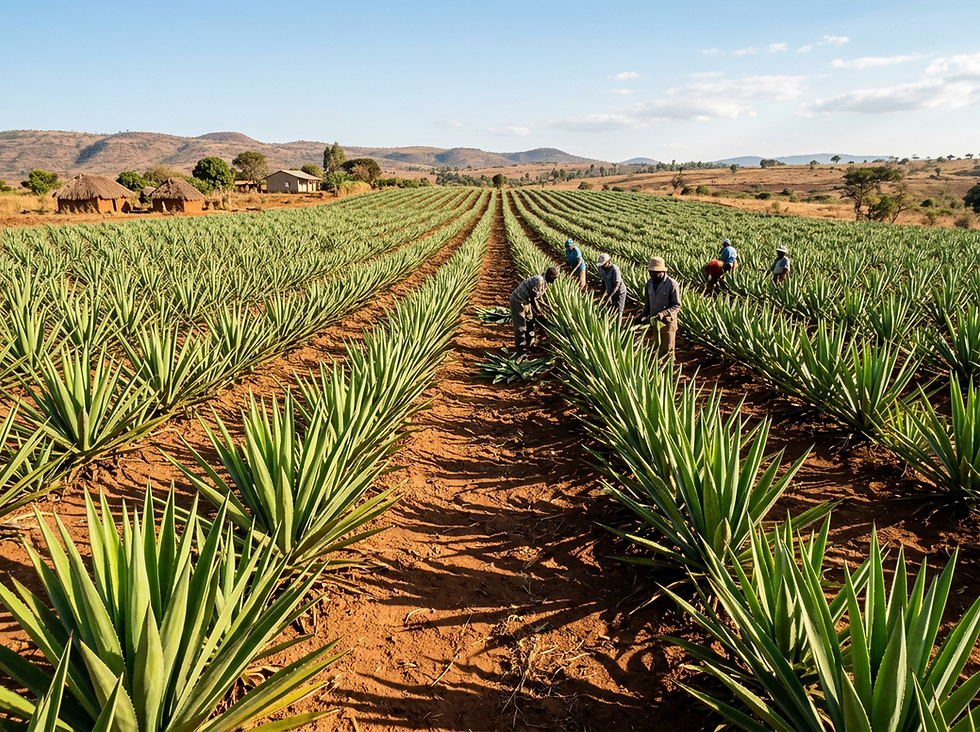
Sisal fibre comes from the leaves of Agave sisalana, a plant known for its long, sword-like leaves. It belongs to the agave family, which includes plants adapted to hot, dry conditions. The plant is widely associated with Mexico, especially the Yucatán region, and later spread to other tropical and subtropical parts of the world.
Today, sisal is grown in several warm regions, including parts of East Africa, Brazil, Madagascar, and other areas where the climate supports agave cultivation. In Kenya and neighbouring countries, sisal has long been valued as a commercial crop because it can grow in relatively dry zones where some other crops struggle.
The plant does not look delicate. Mature sisal leaves are thick, pointed, and fibrous inside. The useful fibre lies within the leaf tissue. Once extracted, cleaned, and dried, those fibres become the stiff, pale strands used to make rope, twine, mats, bags, baskets, wall coverings, and many types of handmade goods.
One reason sisal fits well into sustainability conversations is its toughness as a crop. It can tolerate dry spells better than many fibre crops and does not require the same growing conditions as water-hungry plants. That does not mean sisal has no environmental impact. Land use, processing methods, transport, and labour practices still matter. Yet as a renewable plant fibre, it has clear advantages over materials made from fossil fuels.
How sisal fibre is produced from field to finished strand
Sisal production is practical and physical. It starts in the field and ends with clean, graded fibre ready for spinning, twisting, dyeing, weaving, or export. The exact process can vary by location and scale, but the main stages remain broadly similar.
Cultivation begins with strong planting material
Sisal is usually propagated using bulbils or suckers rather than seeds. Farmers plant young material in rows, leaving enough space for the plants to spread their long leaves. Once established, the plants need time to mature before regular harvesting can begin.
The crop suits warm climates with good drainage. Waterlogged soil can damage the plant, while dry conditions are often more manageable. Farmers still need to control weeds, protect young plants, and maintain the field so the leaves develop well.
A well-managed sisal plant can produce many leaves over its productive life. This makes it useful as a long-term fibre crop rather than a plant that must be replanted every season.
Harvesting focuses on mature leaves
Harvesting usually involves cutting the lower, mature leaves close to the plant. Workers must handle the sharp leaf tips carefully. The younger central leaves remain on the plant so it can continue growing.
Timing matters. If leaves are harvested too young, the fibre may be shorter or weaker. If they are left too long, quality can also decline. Good harvesting balances fibre quality with continued plant health.
After cutting, the leaves should be processed quickly. Fresh sisal leaves contain a high amount of moisture and fleshy material, while the actual fibre makes up only a smaller part of the leaf. Delays can affect fibre colour and quality.

Processing separates fibre from leaf pulp
The key step in sisal fibre production is decortication. This process crushes and scrapes the leaf to remove the green pulp, leaving behind the long fibres inside. On larger farms or processing sites, machines do this work quickly. In smaller operations, simpler equipment may be used.
After extraction, the fibres are washed to remove remaining plant matter. Clean washing helps improve colour, smell, and final quality. The fibres are then spread out or hung to dry in the sun. Good drying is essential because damp fibre can stain, weaken, or develop mildew.
Once dry, the fibre is brushed or combed to remove short pieces and make the strands smoother. It is then graded by qualities such as length, colour, cleanliness, and strength. Finally, the fibre may be baled for sale, spun into twine, twisted into rope, or sent to makers who turn it into finished products.
Stage | What happens | Why it matters |
Cultivation | Sisal plants are grown in warm, well-drained fields | Healthy plants produce stronger leaves |
Harvesting | Mature leaves are cut from the lower part of the plant | Correct timing improves fibre quality |
Decortication | Leaf pulp is scraped away from the fibre | This separates the usable strand |
Washing and drying | Fibres are cleaned and dried in sunlight | Clean, dry fibre stores and works better |
Brushing and grading | Fibres are combed, sorted, and packed | Consistent quality helps makers choose the right use |
What makes sisal fibre strong and distinctive
Sisal has a clear personality. It is not soft like cotton, glossy like silk, or stretchy like some synthetic fibres. Its appeal comes from strength, texture, and a firm natural look.
The fibres are generally coarse and stiff. That makes sisal less suitable for clothing worn directly against the skin, but excellent for items that need grip, structure, and wear resistance. A sisal rope feels secure in the hand. A sisal mat has a textured surface. A sisal basket holds its shape well.
Several qualities explain its popularity.
Durability
Sisal can handle pulling, twisting, and abrasion. This is why it has long been used for agricultural twine, marine rope, and heavy-duty household items.
Natural grip
The rough surface gives traction. Sisal mats, scratching posts, handles, and wrapped surfaces benefit from this texture.
Biodegradability
Unlike plastic fibres, untreated sisal can break down naturally over time under the right conditions.
Low static build-up
Natural plant fibres do not behave like many synthetic fibres, which can attract dust through static.
Rustic appearance
The pale cream to golden colour works well in interiors that favour natural finishes.
Sisal does have limits. It can absorb moisture, and prolonged damp conditions may reduce its lifespan. It can also feel too rough for some uses. For outdoor products, treatment or careful design may be needed depending on exposure. These limits do not reduce its value. They simply show that natural materials work best when used in the right setting.
Sisal’s strength is not only mechanical. Its wider value comes from being renewable, useful, and naturally textured without needing to imitate plastic.
Common uses of sisal in everyday life
Sisal became popular because it solved real problems. It could be grown, processed, twisted, and woven into items that people needed every day. Many of those uses still remain relevant.
Ropes and twines for work and transport
Rope is one of the classic uses of sisal. The fibre’s strength and grip make it suitable for tying, bundling, hauling, and general utility work. Before synthetic rope became dominant, sisal rope was common in farms, shipping, construction, and home use.
Even now, sisal twine remains useful in gardening and agriculture because it can hold plants and bundles without leaving behind permanent plastic waste when properly managed.
Mats, rugs, and floor coverings
Sisal mats have a firm, natural feel underfoot. They are often used in entryways, living spaces, verandas, and offices that want a warm natural finish. The rougher texture helps trap dirt, which makes sisal useful in areas where shoes bring in dust or soil.
In interior design, sisal rugs are valued for their understated look. They blend well with wood, stone, clay, linen, and other natural materials. Many people choose them because they bring texture without loud colour or pattern.

Handicrafts and woven home goods
Sisal is a strong material for craft. Artisans use it to make baskets, bags, table mats, wall hangings, storage containers, lampshades, and decorative objects. It can be dyed, braided, stitched, or combined with leather, cotton, wool, or beads.
This is where the fibre’s texture becomes a design feature. A handmade sisal basket does not need to look perfectly smooth. Its small variations show the maker’s hand and the plant’s natural character.
In Kenya and across East Africa, natural fibre crafts also support local skills and small enterprises. Sisal can form part of a wider craft economy that values practical beauty, repairability, and locally available resources.
Pet products, packaging, and industrial uses
Sisal is also common in cat scratching posts because cats need a rough surface that can withstand clawing. The same toughness makes it useful in buffing cloths, polishing wheels, dartboards, and packaging applications.
There is growing interest in using sisal in composite materials, where plant fibres help reinforce other materials. These uses can include panels, automotive parts, and construction-related products, depending on the manufacturing process. The goal is often to reduce reliance on fully synthetic reinforcement fibres while keeping strength and structure.
Why sisal is gaining attention as an eco-friendly material
The shift back towards sisal is part of a wider rethink of materials. For decades, synthetic fibres have been popular because they are cheap, consistent, light, and easy to mass-produce. They still have their place. Yet their drawbacks are now harder to ignore.
Many synthetic fibres come from petroleum-based sources. Some shed microplastics during use or washing. They can also remain in the environment for a long time after disposal. Sisal offers a different path because it starts as a plant and can return to the soil more naturally when untreated and properly composted.
Its environmental appeal rests on several points.
It is renewable. Sisal grows from a plant that continues producing leaves for years under good management.
It can reduce plastic dependence. In ropes, twines, mats, and packaging, sisal can replace some synthetic products.
It supports natural design. Sisal gives homes and products a warm, tactile look without relying on plastic finishes.
It can fit dryland agriculture. In suitable regions, sisal can be grown where some other fibre crops may be less practical.
Still, the most sustainable choice is not always the one with a natural label. A sisal product made with harsh chemical dyes, shipped long distances, and discarded quickly may not deliver its full environmental promise. Better choices come from durable products, responsible processing, fair labour, low-waste design, and sensible end-of-life planning.
Natural fibres shine when they are used to make things that last.
How to choose and care for sisal products
Buying sisal is easier when you match the fibre to the job. Its texture and firmness make it excellent for some uses, but less ideal for others.
When choosing sisal products, look for:
Even weaving or twisting, especially in mats and ropes
Dry, clean fibre without a musty smell
Strong stitching or binding at the edges of mats and baskets
Clear information on dyes, backing materials, and finishes
A texture that suits the intended use
For care, keep sisal as dry as possible. Shake out mats often, vacuum rugs without using harsh brush settings, and blot spills quickly rather than soaking the fibre. Avoid placing untreated sisal where it will stay wet for long periods. If using sisal baskets or décor, occasional dusting is usually enough.
Rope and twine should be stored in a dry, well-ventilated place. Damp storage can shorten their life. If sisal is used outdoors, expect weathering. That ageing may look beautiful in some settings, but it can reduce strength over time.

Sisal brings old material knowledge into modern sustainability
Sisal is not a new discovery. Its value comes from the fact that it has already proved itself over generations. It grows from the hardy Agave sisalana plant, passes through a clear production process, and becomes a fibre known for strength, grip, and natural texture.
Its uses are broad: ropes, twines, mats, rugs, baskets, handicrafts, pet products, packaging, and even newer composite materials. That range explains why sisal remains relevant as more people question the hidden costs of synthetic fibres.
The best way to appreciate sisal is to see it as a practical natural material, not a perfect one. It lasts when used well. It biodegrades more readily than plastic-based fibres. It feels grounded, simple, and useful. For anyone interested in sustainable materials, sisal is a strong reminder that some of the best answers come from plants we have known for a long time.


Comments