


Unlocking the Potential of Sisal Fiber in Sustainable Industrial Applications
Sisal fiber is gaining attention as a powerful natural resource that supports sustainability across many industries. As companies and consumers seek materials that reduce environmental impact without sacrificing quality, sisal stands out for its strength, durability, and biodegradability. This post explores what sisal fiber is, why it is in high demand, and how it is transforming industrial applications worldwide.

What Is Sisal Fiber?
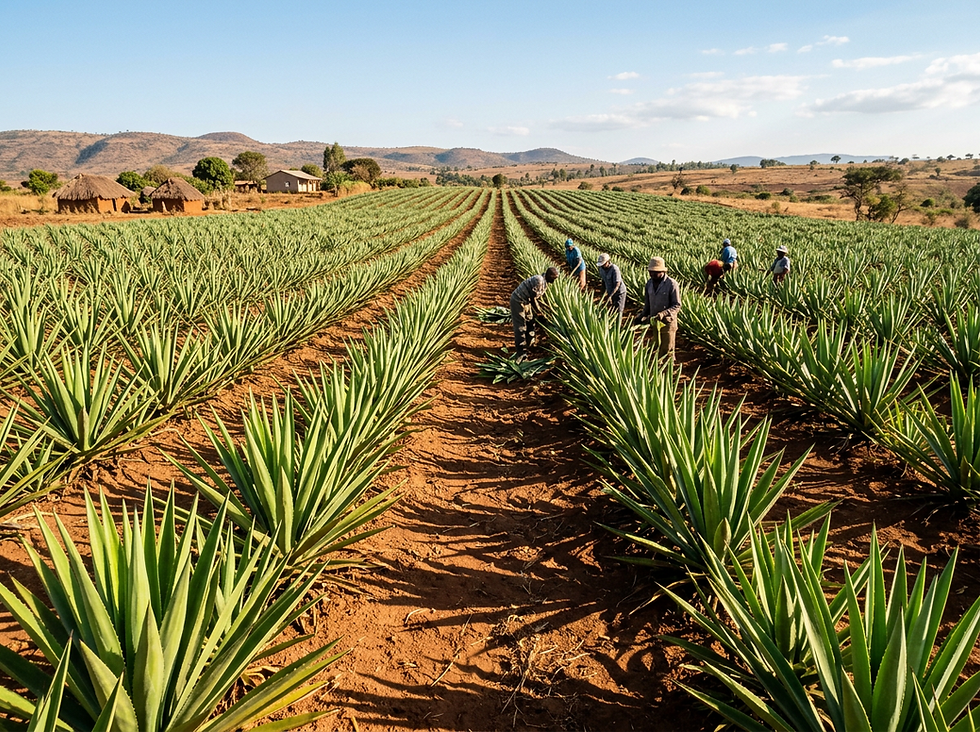
Sisal fiber comes from the leaves of the sisal plant (Agave sisalana), a species native to Mexico but now cultivated in many tropical and subtropical regions. The fiber is extracted through a process called decortication, where the leaf pulp is removed to leave behind long, tough fibers. These fibers are then cleaned, dried, and prepared for various uses.
Known for its exceptional tensile strength, sisal fiber is one of the most widely used hard fibers globally. Unlike synthetic fibers, sisal is renewable and fully biodegradable, making it an eco-friendly alternative in many applications.
Why Sisal Fiber Is in High Demand
Several factors contribute to the growing popularity of sisal fiber in industrial and commercial sectors:
Environmentally Friendly
Sisal fiber is a natural, renewable resource that decomposes without leaving harmful residues. This quality appeals to businesses aiming to reduce their carbon footprint and minimize waste. Using sisal helps lower reliance on plastics and synthetic fibers, which often persist in the environment for decades.
Strong and Durable
Sisal’s high tensile strength allows it to endure heavy use and harsh conditions. This makes it ideal for products that require toughness, such as ropes, mats, and geotextiles. Its durability ensures long-lasting performance, reducing the need for frequent replacements.
Versatile Across Industries
Sisal fiber’s versatility is evident in its wide range of applications:
Ropes and twines used in shipping, agriculture, and construction
Mats and carpets that combine durability with natural aesthetics
Baskets and handicrafts supporting traditional and modern artisans
Brush bristles for industrial and household cleaning tools
Geotextiles that control erosion and stabilize soil in landscaping and infrastructure projects
Packaging materials that offer biodegradable alternatives to plastics
Agricultural baling twine that binds crops efficiently
Decorative home accessories that blend sustainability with style
This diversity makes sisal a valuable resource for many sectors, from farming to manufacturing.
Low Maintenance
Products made from sisal fiber require minimal care. When stored properly, sisal retains its strength and appearance for years. It resists moisture and pests better than many other natural fibers, which adds to its appeal for industrial use.
Benefits of Choosing Natural Sisal Fiber
Businesses worldwide prefer sisal fiber because it offers several key advantages:
High durability ensures products last longer under stress
Excellent resistance to wear reduces replacement costs
Eco-friendly performance aligns with sustainability goals
Reliable quality supports consistent manufacturing standards
Renewable alternative reduces dependence on synthetic fibers
These benefits make sisal fiber a practical choice for companies committed to sustainability without compromising on performance.
How Sisal Fiber Supports Sustainable Industrial Applications
Sisal fiber plays a critical role in industries that prioritize environmental responsibility. Here are some examples of how sisal is used sustainably:
Agriculture
Farmers use sisal twine to bale hay and straw. Unlike synthetic twine, sisal breaks down naturally in soil, preventing plastic pollution. Sisal ropes also help secure loads and support plants, offering a biodegradable solution that fits well with organic farming practices.
Construction and Landscaping
Geotextiles made from sisal help control soil erosion on slopes and construction sites. These mats stabilize the ground while allowing water and air to pass through, promoting healthy vegetation growth. Once their job is done, the mats decompose, leaving no harmful residues.
Home Décor and Furniture
Sisal rugs and mats provide a natural, textured look that appeals to eco-conscious consumers. Furniture manufacturers use sisal fiber to reinforce upholstery and create sustainable woven products. These items combine durability with a reduced environmental footprint.
Packaging Industry
Sisal fiber is increasingly used to create biodegradable packaging materials. These alternatives to plastic reduce landfill waste and pollution. For example, sisal bags and wraps protect goods during shipping while offering a sustainable disposal option.
Ensuring Quality in Sisal Fiber Production
The value of sisal fiber depends heavily on how it is harvested and processed. High-quality sisal undergoes careful steps to preserve its strength and consistency:
Leaves are harvested at the right maturity to maximize fiber quality
Decortication removes pulp without damaging fibers
Fibers are washed to eliminate impurities
Drying is controlled to prevent brittleness or mold
Grading sorts fibers by length and strength to meet specific industrial needs
Packaging protects fibers during transport and storage
These measures ensure manufacturers receive sisal fiber that performs reliably in their products.
Challenges and Future Opportunities
While sisal fiber offers many benefits, some challenges remain:
Labor-intensive harvesting can limit large-scale production
Competition from synthetic fibers keeps prices competitive
Need for improved processing technology to enhance fiber quality
Despite these hurdles, growing demand for sustainable materials drives innovation in sisal cultivation and processing. Research into mechanization and new applications continues to expand sisal’s potential.
Final Thoughts
Sisal fiber stands out as a natural, strong, and versatile material that supports sustainable industrial applications worldwide. Its biodegradability and durability make it a smart choice for companies looking to reduce environmental impact while maintaining quality. As industries seek alternatives to synthetic fibers, sisal offers a proven, renewable resource with a wide range of uses.
Businesses and consumers can unlock the full potential of sisal fiber by embracing its benefits and supporting sustainable production practices. Exploring sisal-based products and applications today helps build a greener, more responsible future.


Comments